
- One of Ahmedabad’s trusted surgical hospitals for advanced proctological and colorectal treatments led by experienced specialists.
- Equipped with modern technology and strict healthcare protocols to deliver accurate, minimally invasive, and safe procedures.
- Focused on personalized treatment, comfort, and complete patient satisfaction from consultation to recovery.


Discover The Difference With Dr. Kamlesh Ram
Experience exceptional care with Dr. Kamlesh Ram — combining advanced medical expertise, modern technology, and personalized treatment.

Dr. Kamlesh Ram
Laser & Laparoscopic Surgeon
Best Surgical Hospital in Ahmedabad
Recognized as the Best Surgical Hospital in Ahmedabad — delivering expert surgical care with precision, compassion, and advanced technology.
Dr. Kamlesh Ram
Laser & Laparoscopic Surgeon
A Trusted Hospital For Comprehensive Surgical Care
A trusted hospital delivering comprehensive surgical care with expert surgeons, advanced technology, safety, and compassionate patient support.
Dr. Kamlesh Ram
Laser & Laparoscopic Surgeon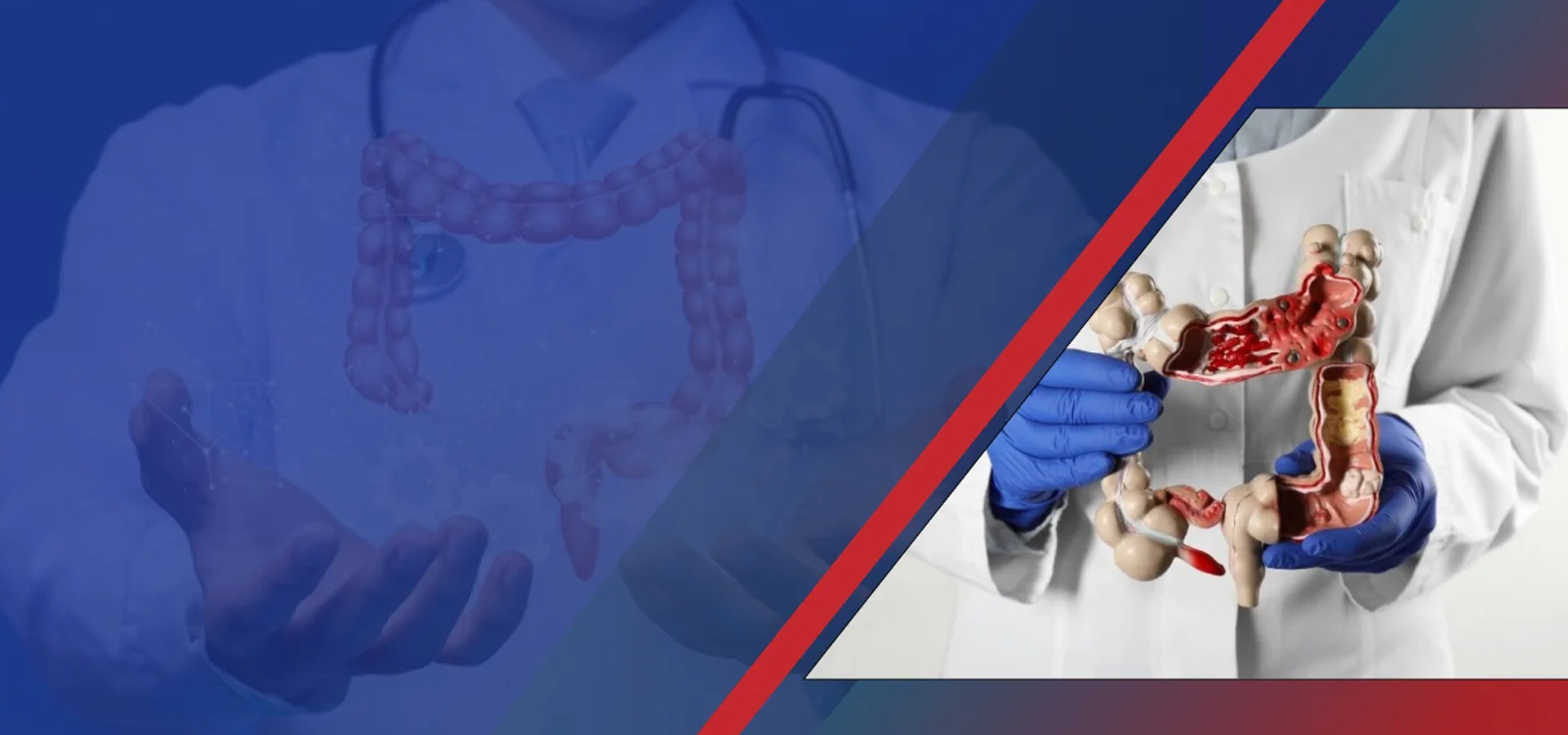
A Trusted Hospital For Vascular Surgical Care
Providing reliable vascular surgical care through skilled specialists, advanced procedures, compassionate treatment, and proven medical outcomes.
Dr. Kamlesh Ram
Laser & Laparoscopic Surgeon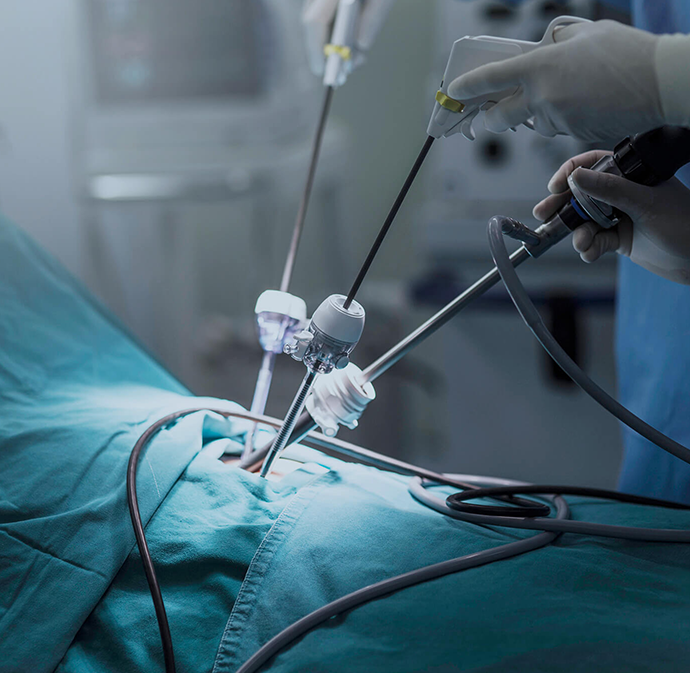
18+
Years Of Experience
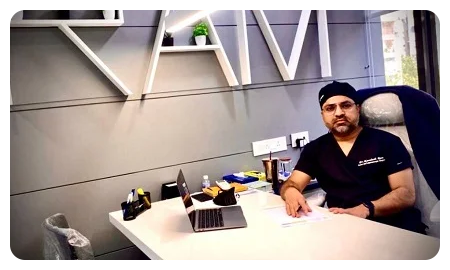
About Dr. Kamlesh Ram
Proctologist and General Surgeon in Ahmedabad - Dr. Kamlesh Ram
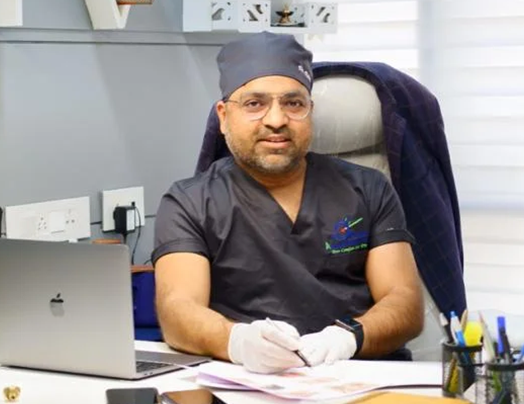
A pioneer in laser proctology, a branch that is concerned with using lasers to treat the problems of the anus, rectum, and colon, Dr. Kamlesh Ram is a renowned Proctologist and General Surgeon in Ahmedabad. After having given his contribution as an Assistant Professor (General Surgery) and Diabetic foot & wound specialist, he further explored the field of Laparoscopic surgery and laser treatment. Once specialised in laser proctology, stapler circumcision, and laparoscopic surgeries, he founded Advanced Surgical Hospital in Ahmedabad.
Being a recipient of many prestigious national and international awards for his social and medical practitioner work, he is also the first in Gujarat to have performed more than 2,000 laser surgeries. As he has performed more than 15,000 surgeries in his career as of now, he is considered the best Proctologist Surgeon.
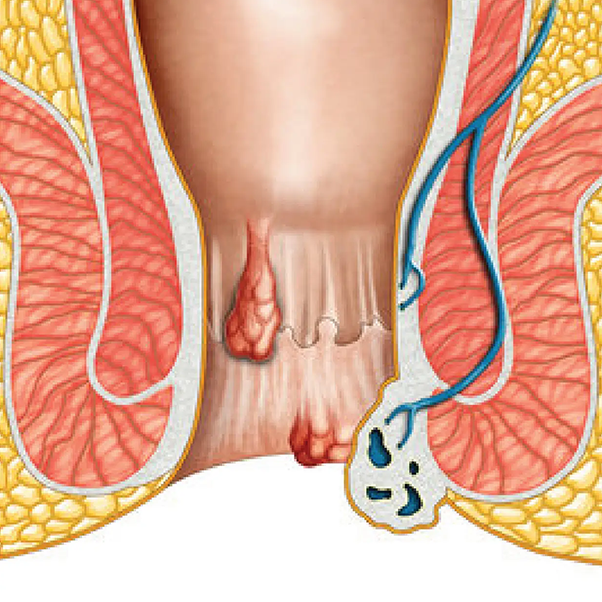
 Piles
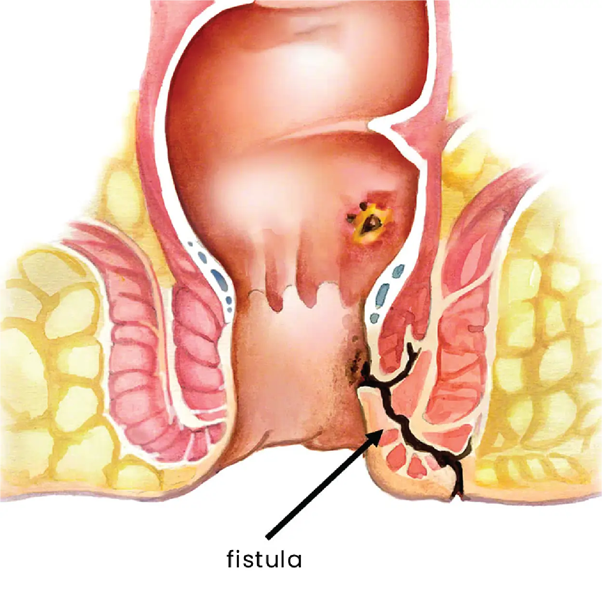
Fistula
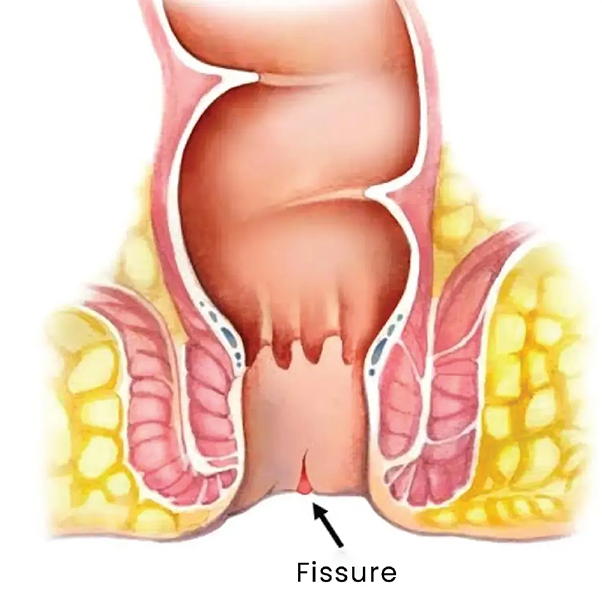
Fissure
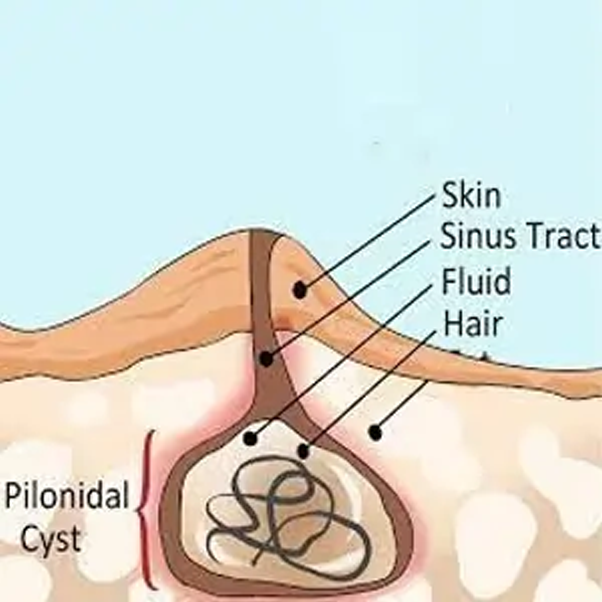
Pilonidal Sinus
Cricumcision
Piles
Fistula
Fissure
Pilonidal Sinus
Cricumcision
Piles
Fistula
Fissure
Pilonidal Sinus
Cricumcision
Piles
Fistula
Fissure
Pilonidal Sinus
Cricumcision
Piles
Fistula
Fissure
Pilonidal Sinus
Cricumcision
Piles
Fistula
Fissure
Pilonidal Sinus
Cricumcision
Piles
Fistula
Fissure
Pilonidal Sinus
Cricumcision
Piles
Fistula
Fissure
Pilonidal Sinus
Cricumcision
Our Treatments
Treatments That We Providing
Diseases That We Cure
What Can We Help With?
18+
Years of experience
95%
positive feedback
about us
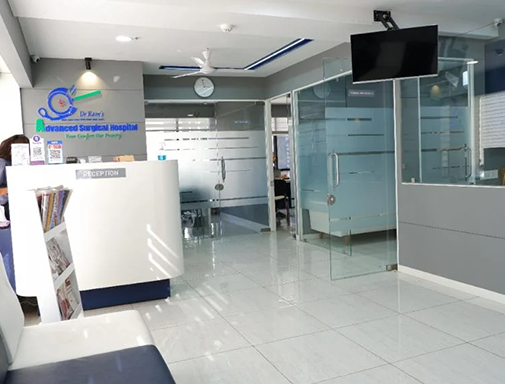
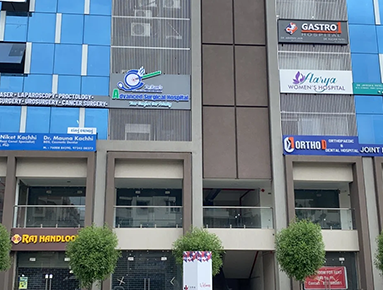
Dr. Ram's Advanced Surgical Hospital in Ahmedabad
Our Surgical Hospital in Ahmedabad is among the best when it comes to proctological surgery. Patient care, support, and satisfaction are our utmost priority. We boast highly experienced proctologist doctors who utilise advanced technology to ensure the best possible treatment for our patients suffering from colorectal or similar problems.
Striving towards clinical excellence, the team at our surgical hospital indulges in giving our best in each case, minor or the most complicated. Our Proctologist and General Surgeon in Ahmedabad, Dr. Ram, leads the field of the latest diagnostic and therapeutic procedures, not
Compromising the healthcare standards and related protocols. To find complete relief from issues that come under proctology, schedule a consultation with our expert Proctologist Surgeon in Ahmedabad.
What Patients Says?
Patient Testimonials Reflecting Trust, Care & Medical Excellence


"Dr. Ram's Advance Surgical Hospital is a hidden gem for anyone needing surgery in the city. Dr. Ram and his team are exceptionally skilled, calm, and genuinely caring—rare to find these days. The operation theatre is spotless and equipped with the latest technology; felt safer than many big corporate hospitals."

"I highly recommend both the hospital and Dr. Ram's Advance Surgical Hospital The hospital staff was incredibly professional and attentive, making my entire stay comfortable and reassuring. Dr.Ram demonstrated exceptional expertise, patience, and clarity in explaining my condition and treatment plan. I felt truly cared for and confident in the high quality of medical care I received. A fantastic experience overall!"
"Dr. Ram's Advance Surgical Hospital provides exceptional care.
The surgical team is highly skilled and professional.
Nursing staff offers compassionate and attentive post-operative support.
The facility itself is modern, clean, and well-organized..."
"I had my pilonidal sinus surgery done by Dr. Ram and the experience was excellent. He explained everything clearly, the procedure went smoothly and his team was very cooperative. The staff was also nice and friendly, which made the whole process very comfortable. Highly recommended!"
"One of the best hospitals I’ve visited. From admission to discharge, everything was well organized. The doctors explained everything clearly, and the nurses were very caring. Highly recommend this hospital for excellent healthcare."
"I would like to express my gratitude for the excellent care and professionalism I experienced at your hospital. The facility is very well maintained, creating a comfortable environment for patients.
A special thanks to the OT assistant team, particularly Shivpal and Vikash, who were exceptionally courteous and attentive throughout my visit. Their kindness and professionalism made a significant positive impact."
"I had the privilege of consulting Dr. Kamlesh Ram, a pioneer in laser proctology, at Advanced Surgical Hospital located on the 3rd floor of a pristine complex. The moment I stepped in, I was impressed by the spotless cleanliness and the warm hospitality of the staff. The hospital itself is a marvel of hygiene and organization, with a fully stocked in-house pharmacy store."
"Very good experience, Both Dr are very cooperative with expertise treatment.
Support staff Mr . Narendra & others are also very attentive & kind.
100% recommendations for laser Pilonidal Sinus Treatment."
"Highly recommend for Piles
Thank you team for DR Ram sir
No dressing no pain fast recovery Second day work joined suprb experience"
"Best doctor for laser haemorrhoids, fissure & fistula.
After laser surgery the chance of reoccurance is minimal.
Dr. kamlesh ram have experienced of thousands operations,
Thousand Of patients are cured after surgery..."
"My 5-year-old son had to go through urinary tract-related surgery. Initial consultation was provided by Dr Sadhana, and later, Dr Ram explained in detail. Both doctors are well-experienced and polite. The staff is also supportive and helpful. The hospital is neat and clean. They maintain hygiene at best. Overall highly recommended."
"I took treatment from dr kamlesh ram . now I am cured fully he is a good doctor with much exprience now I am satisfied and happy if you are also suffering from this you can contract him openmindedly.
Thank you so much Dr. Kamlesh Ram Sir 🙏"
"From the moment you walk-in door until you leave this place treats you like gold I have never been in a place where l ve felt so welcome by so many people from reception to tha people you walk by into your room the.
Best facility for lessor treatment in ahmedabad 100% Dr. Ram, s advanced surgical hospital best hospital"
"Such a wonderful experience I had with Dr Ram and their staff. It's been a month now since I had an operation and I living my normal life as compare to previously when I was having severe pain. Dr. have magic in his hands. So polite and friendly. By talking to him makes us feel like it will be fine. Also, whenever you call or do whatsapp they will give you best reply as they can.. That is what important after operation..."
"Fully satisfied with the service and treatment provided by Dr. Kamlesh ji, Dr. Sadhna ji and the supporting staff. My mother suffered from Chronic Fissure and it required urgent surgery. Every bit of treatment was successful carried out. And at each level, we were properly explained about the details."